
GOT MOLD ?
Don't Take Chances! Call the Top Mold
Remediation Company in Woodinville and get cleaned up FAST!



Why Choose Us?
- Certified Pros
- Available 24/7/365
- Rapid Response
- Fully Licensed And Insured
- We Work With Your Insurance Company
Call Now (425) 225-3224
Woodinville Mold Remediation Services
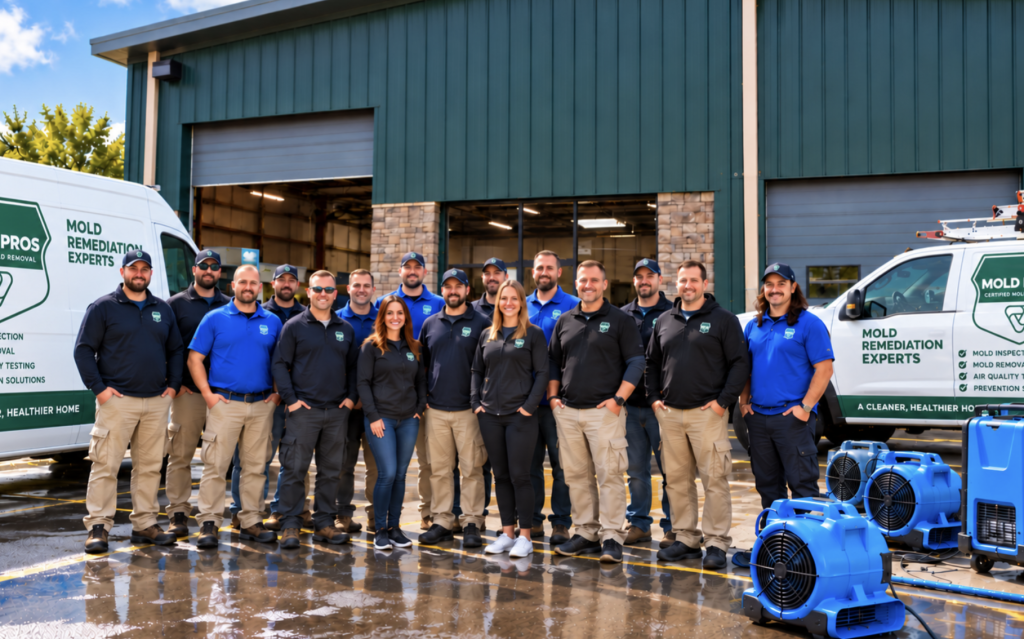
Woodinville Mold Remediation Pros helps homeowners and businesses address mold after leaks, flooding, condensation, or long periods of damp weather. We work with residential and commercial properties throughout the incorporated City of Woodinville in King County. Our work focuses on finding moisture, controlling the work area, cleaning affected surfaces, and removing materials that cannot be restored. We also explain what needs attention next so you can protect the building from recurring moisture.
Why Woodinville properties often need mold help
- Winter roof and flashing leaks: Prolonged rain can enter through damaged roofing, failed flashing, or worn seals. Water may reach attic sheathing, ceilings, and wall cavities before a stain appears.
- Drainage on wooded or sloped lots: Soil that directs runoff toward a foundation can keep lower walls and crawl spaces damp. Gutters and short downspouts can add water beside the building.
- Crawl space moisture: Exposed soil, missing vapor barriers, and poor drainage can leave joists and subfloors damp. Crawl spaces deserve attention after repeated wet-weather odors or floor changes.
- Poor bathroom ventilation: A missing, undersized, or unused exhaust fan leaves shower moisture on ceilings and walls. Cool, humid conditions make repeated condensation more likely during fall and winter.
How we help homes and businesses in Woodinville
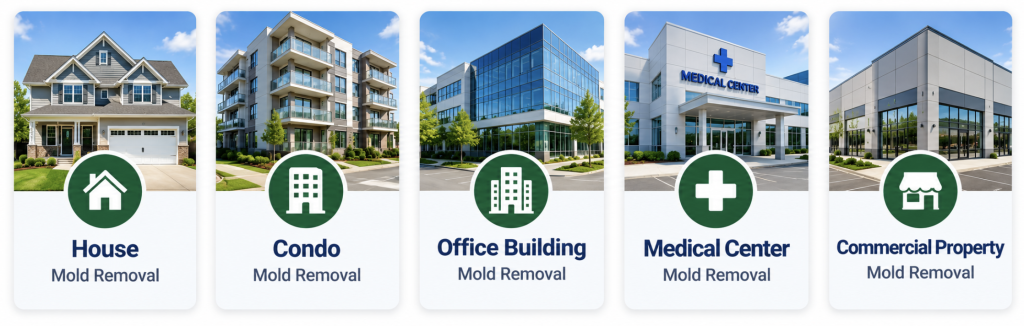
We provide mold remediation and professional mold cleanup for homes, apartments, condos, townhouses, and mobile-home units. Commercial work may involve offices, schools, churches, medical facilities, retail properties, and industrial buildings. Woodinville also has hospitality, tasting-room, brewery, and mixed-use properties where work areas must stay organized around daily operations. We adjust the work area to the building, affected materials, moisture source, and access conditions.
Our work may include containment, HEPA air filtration, cleaning, and removal of affected porous materials. Containment means using plastic walls or barriers to keep mold dust from spreading into clean areas. A HEPA air scrubber filters fine particles from the air while work is underway. Drying and moisture-source correction remain central because cleaning without controlling dampness leaves the building open to another problem.
Mold can appear in attics, crawl spaces, walls, floors, and basements when water remains in building materials. A slow plumbing leak inside a wall can look different from rain entering around a window or roof. Flooding near a local river valley also calls for careful attention to saturated materials and hidden moisture. For questions about warning signs, identification concerns, and what to do before work begins, visit our mold warning signs guide.
What should you expect from our service?
We start by discussing what you noticed, when it began, and whether the building has an active moisture problem. We then focus on visible conditions, affected materials, access, and the likely source of dampness. The final scope should reflect the work area rather than a broad promise about the whole building. For a deeper explanation of containment, HEPA filtration, cleanup, removal, timing, and reconstruction limits, read our mold removal service guide.
Cleanup and removal are not the same task. Hard, cleanable surfaces may be treated and wiped, while porous materials such as drywall, carpet, or insulation often require removal when they are heavily affected. We do not treat a coat of paint as a substitute for moisture correction or proper cleaning. Rebuilding finished surfaces is a separate construction question, so the scope should state clearly where remediation ends.
Woodinville properties can have different moisture patterns even within the same neighborhood. A home near a wooded slope may need attention to runoff and crawl space conditions, while a downtown commercial building may have ventilation, plumbing, or roof concerns. Properties near local rivers and creeks should use official flood and drainage maps rather than guessing from a mailing address. The City of Woodinville and King County provide local planning, stormwater, and flood resources for property-specific questions.
What’s Included
Our remediation scope may include a visual review of affected areas, moisture-source discussion, work-area containment, and protection of nearby clean spaces. Depending on site conditions, it may also include HEPA air filtration, cleaning of suitable surfaces, and removal of affected porous materials. We identify the materials and areas addressed so the work is tied to observable conditions. The final scope depends on access, moisture conditions, building materials, and the extent of affected areas.
What’s Not Included
Remediation does not automatically include repairing the roof, plumbing, drainage, ventilation system, or other source of moisture. It also does not automatically include rebuilding walls, replacing finished flooring, painting, or other reconstruction after affected materials are removed. Testing, engineering, or third-party inspections may be separate services when they are needed for a particular property or concern. We explain these limits so property owners can plan follow-up work with the appropriate trade or professional.
Credentials and local service area
Our team is IICRC certified, and Woodinville Mold Remediation Pros is BBB registered. These credentials are part of how we present our company, but they do not replace a careful review of the building and moisture source. State agencies also advise consumers to verify contractor registration, bonding, insurance, and relevant training before hiring indoor air or water-damage contractors. You can review health guidance from the State Department of Health and contractor information from the Department of Labor and Industries.
We serve properties within the incorporated City of Woodinville and discuss nearby service needs based on the actual property location. Nearby communities include Bothell, Kenmore, Redmond, and Kirkland. A Woodinville mailing address does not always identify the incorporated city, so confirm the jurisdiction when flood maps, permits, or utility records matter. This distinction helps keep moisture advice tied to the correct property and local authority.
Property owners can take a few useful steps today. Stop an active leak if it is safe, move belongings away from wet materials, and avoid disturbing visible growth with dry brushing or sanding. Do not paint over damp or visibly affected surfaces before the moisture source is addressed. Photograph the area and note recent leaks, flooding, plumbing issues, or ventilation changes for the initial discussion.
If you need help deciding what to do with a suspected mold problem, call (425) 225-3224. We will ask what happened, which areas are affected, and whether water is still entering the building. Please shut off the water when an active plumbing leak is safe to stop, and contact the proper emergency utility or trade when needed. We can then explain what information is useful for planning the next visit and scope.
Frequently Asked Questions
Does Woodinville weather create special mold concerns?
Yes, Woodinville has wet, cloudy fall and winter conditions with frequent rainfall. Persistent moisture can expose weaknesses around roofs, siding, windows, flashing, gutters, and drainage areas. Cool damp weather also increases the importance of bathroom, kitchen, and whole-building ventilation. Properties near low-lying areas or mapped floodplains should use official county and federal maps for property-specific flood information.
Where should I look for hidden moisture in a Woodinville building?
Start with places that receive water or hold humid air for long periods. Check around roof penetrations, window openings, plumbing walls, crawl spaces, bathroom ceilings, and areas beneath appliances. A musty odor, staining, peeling materials, or changes in flooring can point to moisture without proving the cause. Avoid opening walls or disturbing materials until the area has been considered safely.
Can mold be cleaned without replacing drywall or insulation?
Sometimes, but the answer depends on the material and how extensively it is affected. Hard, nonporous surfaces are generally easier to clean than drywall, carpet, or insulation that has absorbed moisture. Heavily affected porous materials often need removal so damp or contaminated material is not left inside the assembly. The moisture source must also be corrected, or cleaned surfaces can become affected again.